Sunday, May 29, 2011

Research Assignment2


My first image i have selected from a news report is about the house fire on Cumberland highway at Fairfeild.

To my belief the photographer has used a wide angle lens to help capture the whole view of the building and the fire men. This image helps support the story as it shows the damage of the building and just how much damage there actually is, which helps support why the highway was closed due to the fire.
The image discusses the damage and the danger of the fire, I believe the photographer has used a great approach to the image as they have shown not just a part of the building yet the interaction of the firemen and the objects surrounding the building that have either been damaged or were used to help stop the fire.


The second image is about Australian cattle that has been exported to Indonesia and have been mistreated.

Independent MPs and the Australian Greens are calling for an immediate ban on live animal exports to Indonesia and the phasing out of exports to other countries within three years.
"This trade needs to stop," Greens senator Rachael Siewert told reporters in Canberra on Tuesday. The animals were shown dying prolonged deaths and being beaten and gouged.

I believe that the image the news has used helps support the report as it is showing to trauma that the cattle have to suffer before they are killed harshly. The image was clearly taken to show the evidence of what the Indonesian people are doing to the cattle and not for a artistic purpose. To me the photographer seems to be using a Mobile phone camera or a camera with low megapixals, so the lens is unknown to me. It does not seem to me that the photographer has used any flash when taking the image as there does not seem to be n shadowing from a flash, yet there is shadowing from the lighting in the room.


The third image is about the current floods in Sydney. Taxi driver John Mancuso with his stranded taxi behind him during flash flooding in O'Riordan Street, Beaconsfield today. He said he has been a cabbie for 43 years and never seen anything like it in his life. Picture: Justin Lloyd.
This image helps support the news story due to being able to see what the actually flash floods do look like to the human eye and for those who have never come across something like this before. I believe that the photographer (John Mancuso) has used a wide angle lens with a slight tilt to help capture what exactly is going on. He has used the lens in such a way to show the taxi driver's car in the background which is seen with a large amount of water surrounding it.
No flash has been used within this image to my belief. The photographer has thought of the positioning of the taxi driver well.




Tuesday, March 15, 2011

Monday, March 7, 2011

lake BG


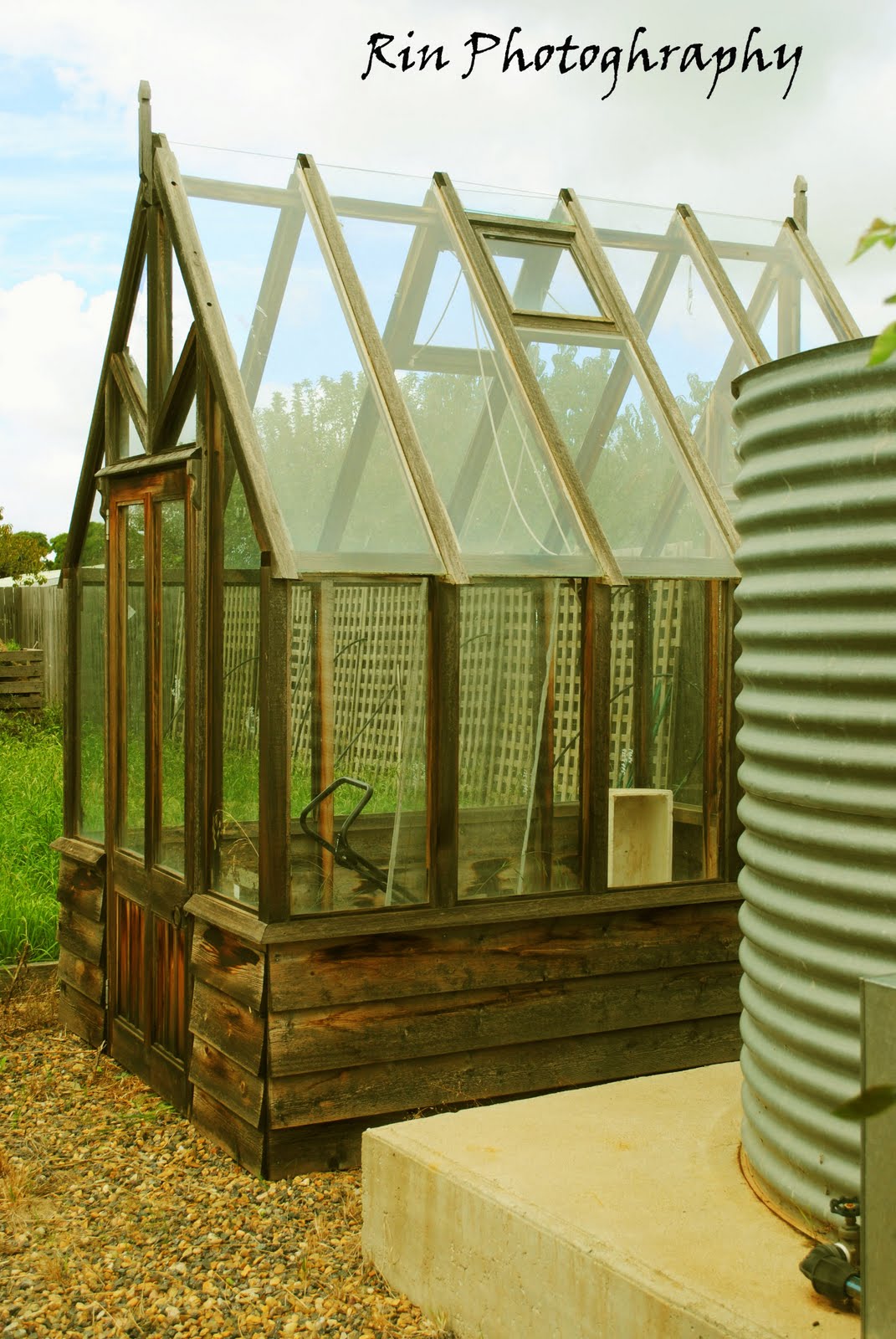
I went off with the theme of texture, yet it seemed to fail. I have a few but also had other images that i really enjoyed so i added them as well.

Wednesday, May 5, 2010

Friday, April 23, 2010

national portrait gallery


Future Australian 2009,

by Robin Sellick.

I believe that this portrait should not have been in the finalist's as it seems to be a simple image, to me it looks like very little thought and effort has been put towards the image layout and structure.

I cant picture what this Man may be thinking or even felling which makes me feel as though it shouldn't have been in the gallery.

The difference between my selection of the "winner" and this image is a big difference, the "winner" seems to have alot of thought into the image and this one not to so much.

national portrait gallery


Owen Yalandja 2009,
by Stephen Oxenbury.
I believe that this portrait should have been the winner, as it has strong contrast, colours and other features.
An image does not have to have the main object centred in the middle of the frame and this portrait displays that well.
Large space is used within the image which gives the image alot more thought to it, for e.g. giving the views the thought that there is something beyond the man and his area. This image displays an aboriginal man and his culture.
I quite enjoyed viewing this portrait and believed it was creative in its own sense.

Sunday, April 11, 2010

national gallery of Australia


According to the National Gallery of Victoria, Australia: "Piccinini has an ambivalent attitude towards technology and she uses her artistic practice as a forum for discussion about how technology impacts upon life. She is keenly interested in how contemporary ideas of nature, the natural and the artificial are changing our society. Specific works have addressed concerns about biotechnology, such as gene therapy and ongoing research to map the human genome... she is also fascinated by the mechanisms of consumer culture."
Piccinini's work often anthropomorphises inanimate objects and presents them with a high degree of industrial finish, revealing the equal influence of 19th Century Surrealism and 20th Century advertising.
Piccinini works with several fabricators to produce her works.


I was very impressed with this artwork as it really drew me in. Having the idea of mechanic machines been given human qualities was a very creative approach. Patricia's work would be my favourite of the day. As i gathered information about her on the net i saw some of her other work, she is an amazing artist and is very creative.

"The Stage" 2008 which is the series we saw at the Gallery was amazing with the bicycle lights as eyes and the wheels as arms and feet. I really enjoyed viewing this artwork, and would love to view all her works.

national gallery if Australia


Fiona HALL
born 1953 Sydney, New South Wales, Australia
England, Europe 1976-78
United States 1979-82


Paradisus Terrestris 1989-90
twenty-three sculptures from the series

Adelaide, South Australia, Australia

Sculpture, aluminium, tineach approx. 24.5 h x 11.0 w x 1.5 d cm

Purchased 1994

Accession No: NGA 94.244.A-W


The series is informed by the artist’s extensive research into botanical depictions. While the title is based on John Parkinson’s florilegium Paradisi in Sole, Paradisus Terrestris (1629), Hall was drawn to other examples, such as Robert John Thornton’s The temple of flora (1807). She was also fascinated by the history of ideas around plants, including systems of classification first devised by scholars such as Carolus Linnaeus in the eighteenth century that were based on looking at the male and female components of each plant. As Hall has explained: ‘At the time of his findings … people still believed that the Garden of Eden existed somewhere on earth. So they were shocked when he talked about plants in overtly sexual terms.’ Hall has also been interested in current findings that show there are more genetic similarities than differences between humans and the plant world.

This work caught by eye by shock and grabbed my attention once i had realise what was within the tins rather then the plants above them. The idea of linking human aspects to plants was very creative. This art work in fact was one of my favourites as it grabbed my attention and made me think about what this was all about and what the artist might have been thinking in the process of the creation.
Some people may think its crude and rude yet it is an aspect of life and as read above it is linked to the garden of Eden, just in a different aspect.
I enjoyed contemplating about this artwork.

Wednesday, April 7, 2010

Monday, April 5, 2010

Sunday, March 28, 2010


queenb


Texture is the main aspect within this photograph.

I particularly enjoy this photograph as it displays well contrast and strong colours.

Out of the whole day this image is my favourite for this day trip

Wednesday, March 10, 2010

the zoo


these two images are images that the zoo may be able to use in brochures.


this image is of the interaction between animal and person

the zoo


These two images are of the animal and its surroundings